Water-based serums are everywhere right now – and for good reason. They feel light and refreshing on the skin, soak in quickly, and are easy to layer under moisturisers or treatments. Best of all, they’re super easy to make.
I personally love making serums. In fact, I still remember when I made my first-ever water-based serum: it was so simple yet rewarding to put together, and felt like something I could buy in a store. And all I used were a few water-loving ingredients and basic formulation equipment.
In this guide, I’ll share the top 5 ingredients you can use in your water-based serums. These are easy to find, affordable, and, best of all, effective. Think of them as building blocks you can mix and match as you grow more confident in your home lab. Happy reading!
What is a serum?
Before I tell you about the top 5 ingredients to use in your water-based serums, let’s look at what a serum is.
A serum is simply a concentrated skincare product designed to deliver active ingredients for specific skin goals.
If you’ve ever used one, you’ll know how different it feels from a cream or lotion. A serum feels lighter, sinks in quickly, and delivers active ingredients straight to your skin without leaving a greasy layer behind.
There are different kinds of serums you can formulate, depending on what you want and your formulation level. You can read all about them here:
In this post, I’ll walk you through the top 5 serum ingredients for water-based serums. More on that below.
Top 5 ingredients to use in your water-based serums
Below is a list of the top 5 ingredients you should consider using in your water-based serums. These are widely accessible and easy to formulate with, and you might already be familiar with some of them.
Either use them on their own or combine them for a synergetic effect.
Just remember: when formulating a water-based serum, you need water or hydrosols, a thickener (usually a gum), a few actives (listed below!) and a preservative to keep it safe and stable.
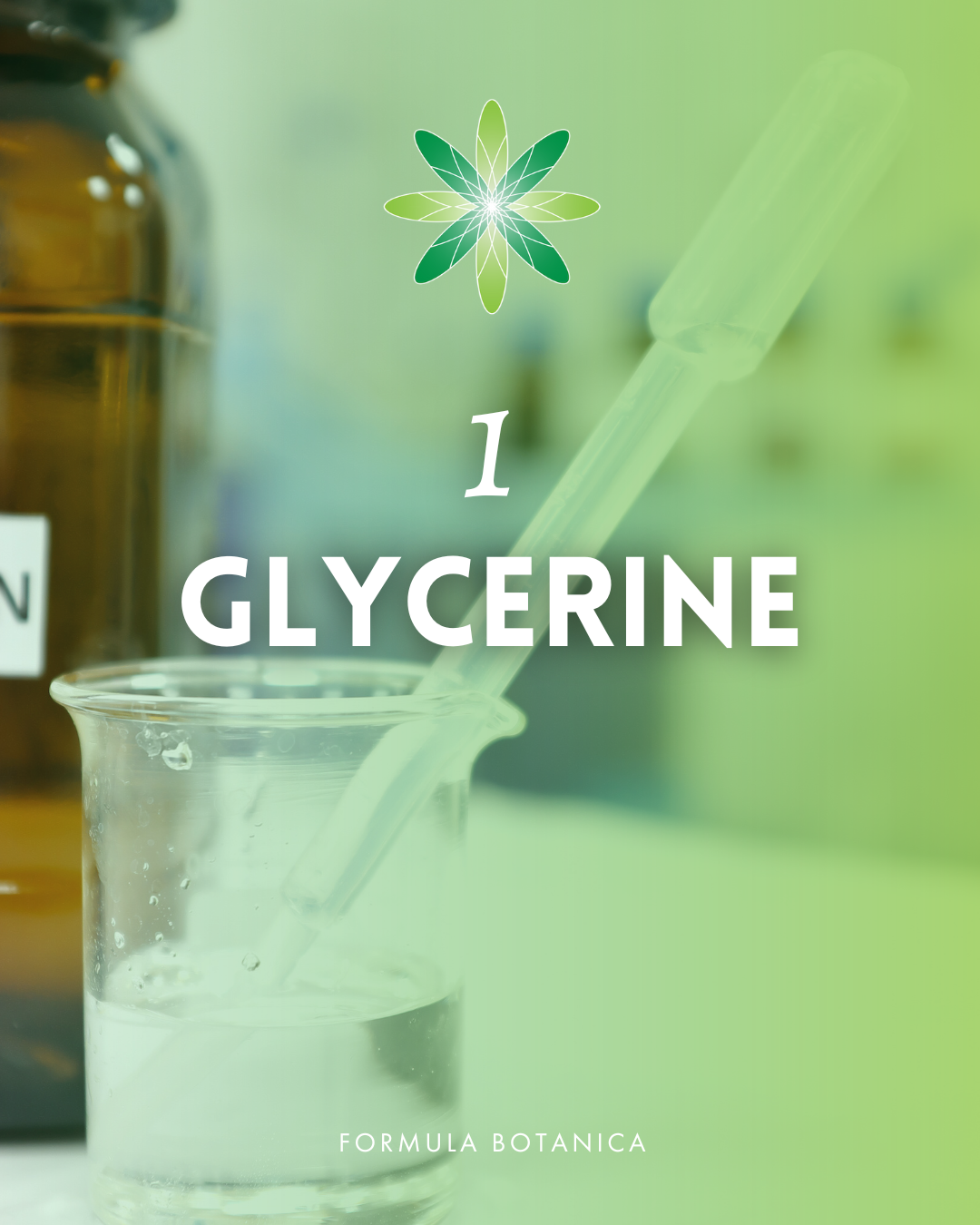
1. Glycerine: The hydration hero
INCI: Glycerin
Why I chose it:
The first ingredient I’d recommend in your water-based serums is glycerine.
Now, this might not sound exciting, but don’t be fooled: this humble ingredient is one of the most powerful ones to keep the skin hydrated! In fact, I’d say it’s one of the top ingredients for you to have in your home lab.
That’s because it’s a humectant, meaning it draws water into the skin, keeping it hydrated all day long.
You can learn more about humectants and glycerine in the posts below:
Properties and benefits:
Glycerine is a humectant, meaning it pulls water into the skin, helping it feel soft, plump and comfortable.
It also helps other ingredients work better by keeping the skin balanced and receptive.
Where to use it:
The first time I worked with glycerine, I added a little too much and ended up with a serum that felt sticky and tacky. But this was a valuable learning experience and made me a better formulator!
Learn from my experience and use between 2-5% in your water-based serums. A little goes a long way.
Blend it into the water phase of your formula, then balance it with lighter humectants or soothing botanicals to get a smooth finish.
You can start experimenting by adding glycerine to simple hydrating blends or beginner-friendly serums (like our prebiotic glycerine serum). Once you’ve tried it, you’ll understand why glycerine is the formulator’s best friend.
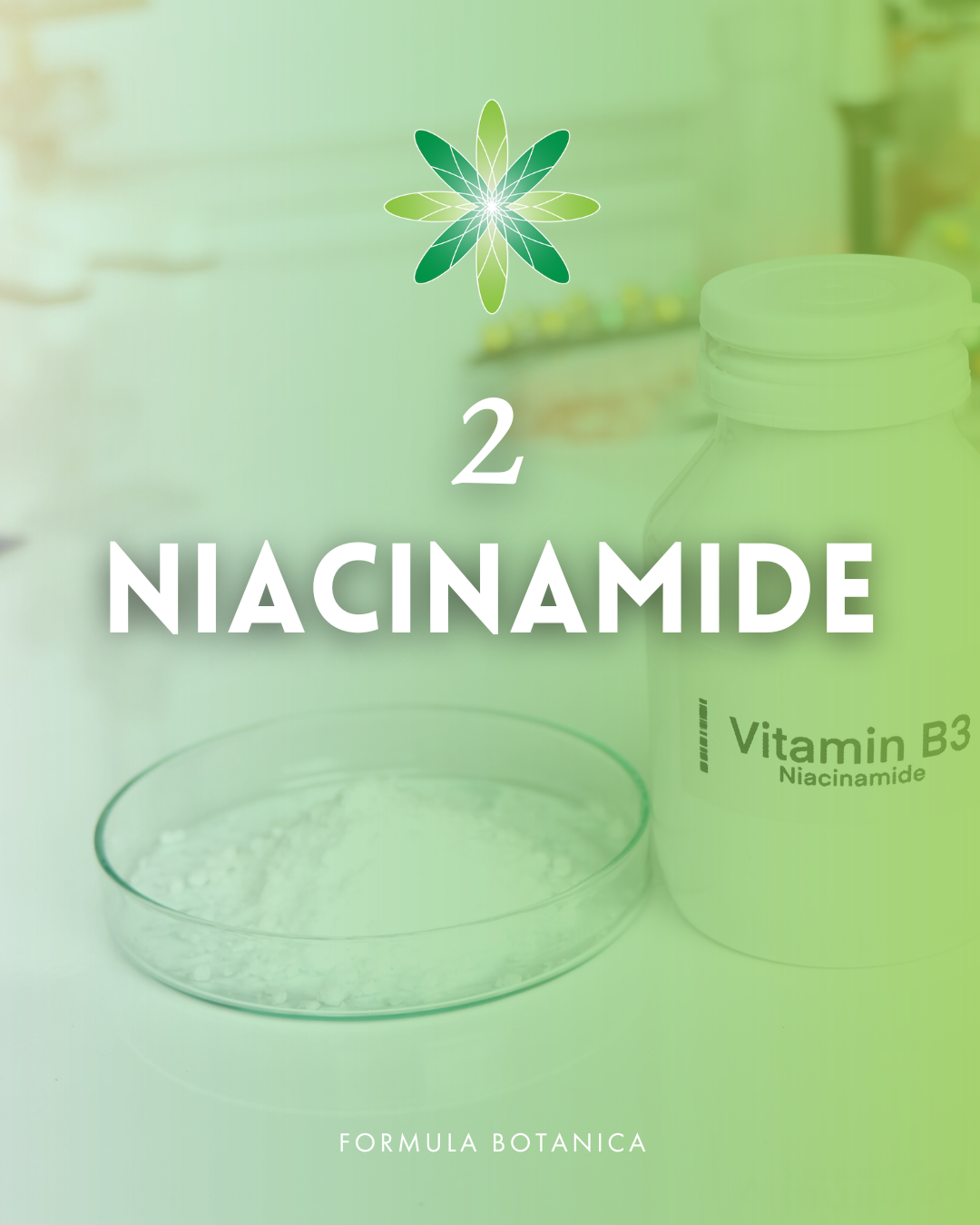
2. Niacinamide: The multitasker
INCI: Niacinamide
Why I chose it:
Niacinamide, also known as vitamin B3, is one of those ingredients that makes you feel like a “real formulator” the first time you use it. It’s a fine white powder that dissolves into your water phase and does a bit of everything, which is why I love it!
Please note that niacinamide a bit of a more advanced ingredient, geared towards more experienced formulators, so don’t worry if you can’t formulate with it now. As you learn and progress in your learning journey, you’ll be able to formulate with it!
In the meantime, check out ingredients 1, 3, 4, and 5, which are beginner-friendly.
Properties and benefits:
Niacinamide is a powerful, naturally-derived active that does a bit of everything: it helps strengthen the skin barrier, balances sebum, calms redness, and supports a brighter, more even complexion.
That’s why it’s so popular in commercial serums as well as home formulations — and why it deserves a place in your home lab too.
Where to use it:
The first time I formulated with niacinamide, I quickly learned how important pH is.
Niacinamide is most stable between pH 5 and 7, but the skin itself is slightly more acidic — usually around pH 4.5–5.5. That means that when you’re making a water-based serum, you should aim for the lower end of that stable range (around 5–5.5) to keep it both skin-friendly and effective.
Most serums use niacinamide at 2–5%, which balances good skin benefits with stability. Dissolve niacinamide carefully into your water phase, check your pH, and you’ll have a stable, effective active in your formulation.
You can learn more about niacinamide and how to formulate with it in this guide:
Please don’t worry if you don’t understand pH yet; this is something you’ll learn as you enrol in our courses.
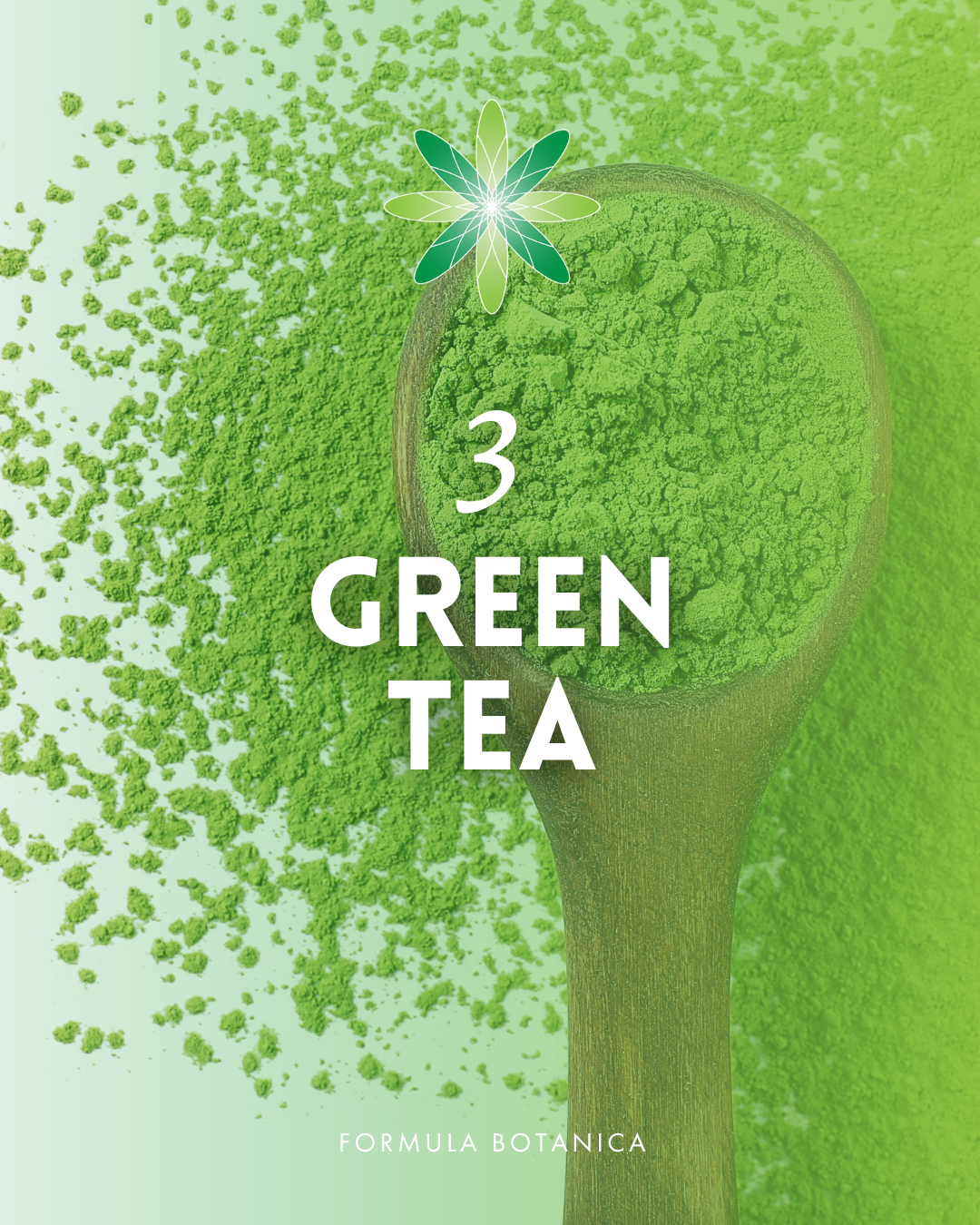
3. Green tea extract: The best for oxidative stress
INCI: Camellia Sinensis Leaf Extract
Why we chose it:
Next on our list of the top 5 ingredients for water-based serums is green tea, which you can either find as a liquid extract or a powder.
I personally love the powder, it’s got a gorgeous earthy smell and green rich colour. It’s also got amazing antioxidant properties that will boost your formulations.
Properties and benefits:
Green tea is full of antioxidants, especially catechins, which help protect the skin against oxidative stress. It’s also known for its calming and soothing properties, making it a great match for sensitive or stressed skin.
You can learn more about green tea below:
Formulation use:
Green tea can come in different forms: powders, liquids, or glycerites.
I personally experimented with green tea powder, which can be tricky to dissolve completely — but that’s perfectly normal. A gentle stir and some patience usually do the trick, but if you prefer, you can start with a liquid extract, as it’s much easier to use.
Typical usage of green tea extracts is around 1–5%. But remember to always check with the supplier’s guidance and SDS (safety data sheets), as strength and solubility can vary.
Where to use it:
Green tea extract is a natural fit for antioxidant water-based serums, but also skin-brightening blends, and soothing after-sun products.
You can also use it in your haircare formulations, as its sebum-regulating and antioxidant effects can help with oily scalps and colour protection.
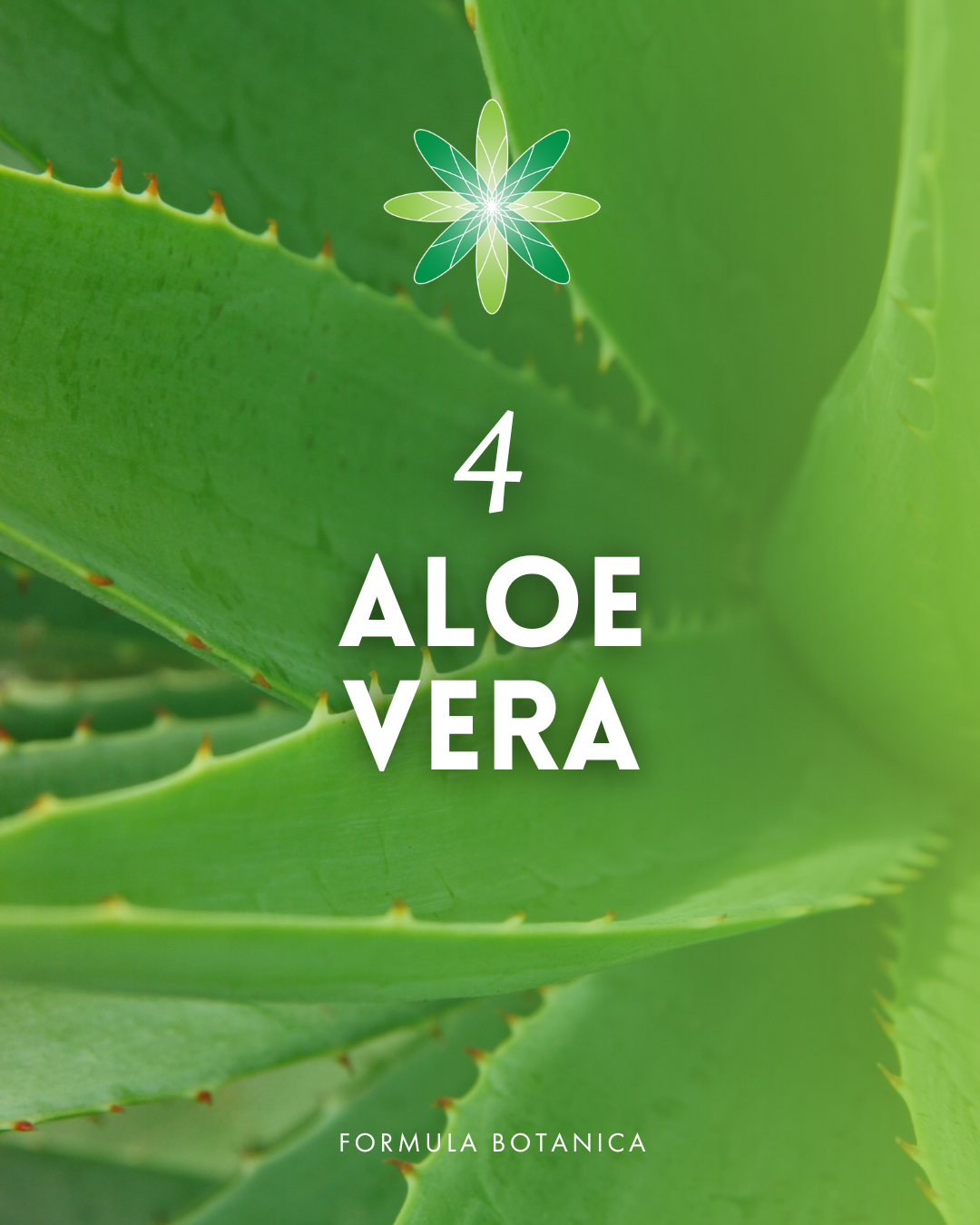
4. Aloe vera: The reliable one
INCI: Aloe Barbadensis Leaf Juice or Powder
Why we chose it:
Aloe vera is often the very first botanical new formulators reach for — and with good reason. It feels cooling and soothing on the skin, and it’s easy to find in both liquid and powder form.
I still remember the first time I opened a tub of aloe powder: it was light and fluffy, and a little surprising if you’re used to the thick gel from the plant leaf!
We’ve dedicated a full formulator’s guide to aloe vera in skincare, if you’d like to learn more about it!
Properties and benefits:
The magic of aloe lies in its polysaccharides, especially acemannan. These long sugar molecules help bind water to the skin, keeping it hydrated and calm.
Aloe also has a gentle soothing action, making it a go-to for dry, tight, or irritated skin. Use it in your water-based serums for its hydrating and soothing properties.
Formulation use:
If you buy the powder, you’ll need to reconstitute it with distilled water before adding it to your serum (basically, just dissolve the powder in distilled water).
Liquid aloe, on the other hand, can be used straight from the bottle – just make sure it’s preserved.
Use it at 5–20% for most formulas, but check with your supplier first.
You can also pair aloe with glycerine for a powerful hydrating duo that feels instantly refreshing on the skin!
Where to use it:
Aloe vera is great to use in water-based serums designed for hydration, moisture retention, and barrier support.
It also works well in formulations aimed at calming sensitive skin or soothing the scalp. For inspiration, check out our aloe vera repairing mist.
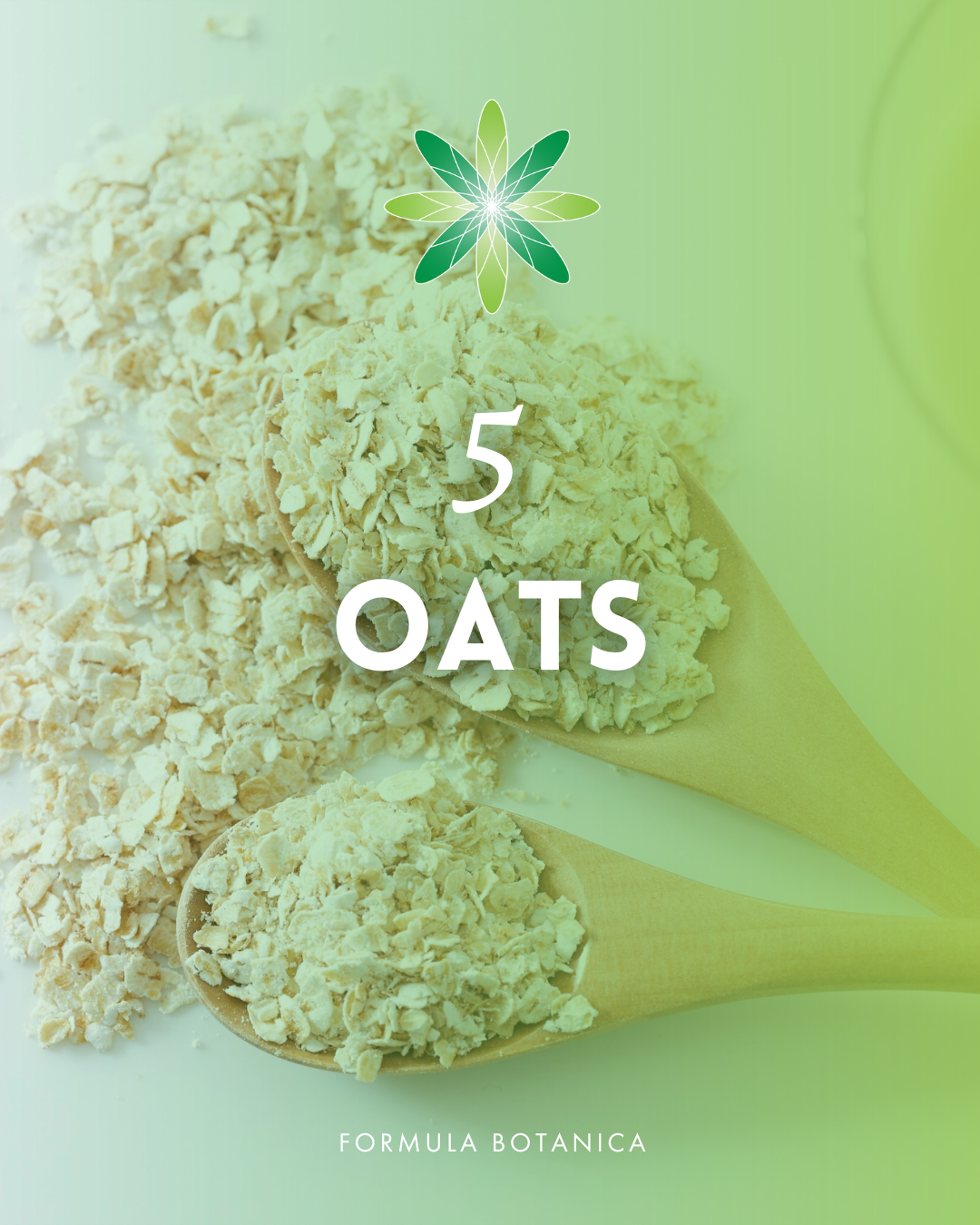
5. Oat: The soothing one
INCI: Avena Sativa Kernel Flour or Extract or Meal | Avena Sativa Kernel Oil | Colloidal Oatmeal
Why I chose it:
Oats are one of those ingredients that instantly make your formulation feel nourishing and soothing. They’re also super affordable and one of my favourite ingredients to use in water-based serums.
When mixed with water, oats turn into a soft, milky texture and provide a pleasant texture and skin feel.
You can learn more about oats in the Oats Mini Lab, which is part of the Lab, our exclusive membership site for formulators.
Properties and benefits:
Oats are rich in beta-glucans, which are known for calming irritation and supporting skin barrier repair.
They also add a gentle emollient quality, helping the skin feel smooth and cushioned. That’s why colloidal oats are often used in formulations for sensitive, dry, or eczema-prone skin.
Formulation use:
Colloidal oats are typically used at 0.5–5%. They are typically dispersed in water, though this might make your water-based serum slightly cloudy or give it a soft, milky feel.
They work beautifully in simple serums, especially when combined with humectants like glycerine or soothing extracts like aloe.
Just make sure to mix well and preserve your formulation properly, as oats add nutrients that microbes love!
Where to use it:
Oat-derived ingredients are a natural choice for hydrating and soothing water-based serums, barrier-supporting blends, and formulations aimed at dry or sensitive skin.
They also pair beautifully with other calming actives such as panthenol or niacinamide.
What’s next?
I hope you enjoyed this post! The five ingredients I’ve listed are a fantastic starting point for your formulation journey.
They can transform a simple water-based serum and elevate it into a high-performance formulation. You can use them on their own or mix them together for a synergistic effect.
Just remember to use a gum, a preservative, and to test the pH so your serum is safe, effective, and stable. We teach all of this in our formulation courses.
Once you have these basics, you’ll be ready to experiment — starting simple, then layering in more actives as your confidence grows.
Ready to take the next step? If you’re completley new to formulation, join our free formulation training and start creating your own natural skincare products from the comfort of your home.
FAQ
- Do I need to buy all five ingredients to get started?
Not at all. Choose one or two that excite you most. Glycerine plus aloe, for example, makes a brilliant first hydrating serum.
- Is it difficult to make a water-based serum?
Not really — a water-based serum is one of the simplest formulations you can make at home. As long as you weigh every ingredient carefully, add a preservative, a gum, and test the pH so it’s suitable for the other ingredients’ range and your skin, you’ll be off to a great start.
- Can I just mix these powders into water?
You can, but the results won’t be stable or safe without a preservative, and the texture will feel thin without a gum. Following a proper formulation method is essential.
- Are these the best ingredients to start with?
Absolutely! They’re affordable, widely available, and forgiving to work with. That’s why I recommend them for beginners.
The best way is to start experimenting with simple formulas and build confidence step by step. At Formula Botanica, we offer a free formulation course where you can learn how to become an organic skincare formulator and formulate safe and effective natural cosmetic products like serums, creams and balms. Check it out now!
FREE TRAINING
Learn how to become an
Organic Skincare Formulator
FREE TRAINING
How to become an
Organic Skincare Entrepreneur
FREE TRAINING
How to become an
Organic Skincare Entrepreneur


Eliziane is a Pharmacist and Biochemist, manages our Student Experience Team and provides technical advice for the ingredients research we undertake and provide. She loves bringing together the concepts of science, sustainability and organics. Read more about the Formula Botanica team.