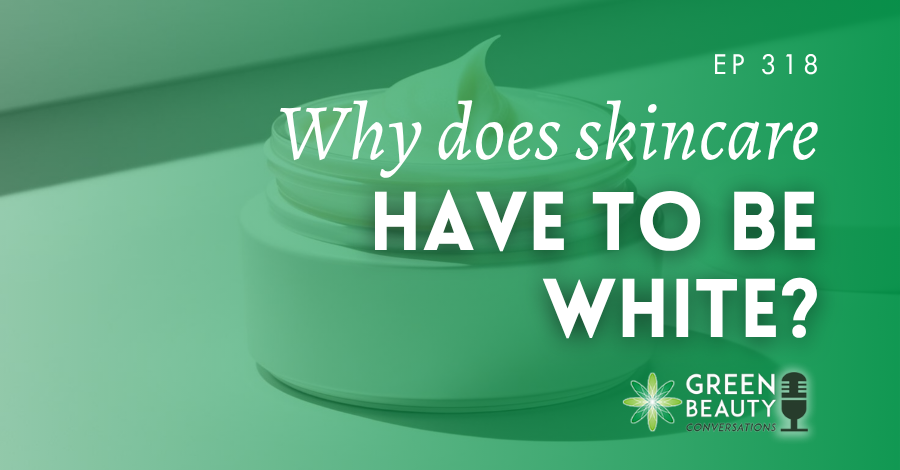
What if everything you thought you knew about natural skincare was… wrong?
Picture the most luxurious skincare product you can imagine – a weighty glass jar, minimalist branding, a premium price tag. Now ask yourself: what colour is it? If your answer was white or cream, you’re not alone.
But this week’s episode of Green Beauty Conversations challenges exactly why that assumption exists, and what it might be costing us.
Following last week’s fascinating interview with Alejandro Franco of Kaffe Bueno, where we explored innovative ingredients made from upcycled coffee grounds, this episode takes a deeper look into one unexpected barrier facing truly sustainable beauty – colour.
Beauty brands are still hesitant to use colourful botanical extracts, not because they don’t work, but because they don’t look the way we’ve been conditioned to expect. And that raises a bigger, more uncomfortable question about the future of natural skincare.
In this thought-provoking solo episode, Formula Botanica CEO Lorraine Dallmeier unpacks over a century of beauty industry conditioning – from the rise of clinical aesthetics in the early 20th century to today’s contradiction between “natural” marketing and highly processed formulations.
If you’ve ever wondered whether the products on your shelf truly reflect nature, this episode is for you.

“Nature has never been white and it’s time we stopped asking it to pretend.” — Lorraine Dallmeier
Key takeaways:
- The historical link between white and cleanliness: The association between white skincare and cleanliness is not accidental – it’s rooted in a historical shift towards sterility during the early 20th century. As germ theory became widely accepted, white became synonymous with safety, science and trust. The beauty industry adopted this visual language to signal legitimacy, and over time, it became an unspoken standard. Today, even as consumers seek natural skincare, this outdated aesthetic still dominates product design and expectations.
- Colour equals function in natural ingredients: Many of the most beneficial compounds in natural skincare ingredients are directly linked to their colour. Carotenoids, chlorophyll, anthocyanins and other pigments are responsible for powerful antioxidant, anti-inflammatory and protective properties. When ingredients are refined, bleached or deodorised to achieve a white or neutral appearance, much of this biological activity can be lost. In trying to make products look “clean”, the industry often strips away the very qualities that make them effective.
- The real challenges of formulating with colour: There are genuine challenges involved in formulating with colourful natural ingredients, and these cannot be ignored. Pigments can be unstable when exposed to light, heat or changes in pH, leading to shifts in colour over time. Regulatory frameworks can also complicate matters, as ingredients used primarily for colour may need to meet strict approval criteria. Additionally, brands must contend with consumer perceptions that associate non-white products with spoilage or inconsistency.
- The contradiction within the natural skincare industry: Despite these challenges, the reluctance to embrace colour reveals a deeper contradiction within the industry. Brands frequently promote sustainability, natural sourcing and transparency, yet continue to prioritise aesthetics that disconnect products from their natural origins. This gap between messaging and reality raises important questions about authenticity and whether “natural skincare” is always as natural as it claims to be.
- Rethinking colour as a marker of authenticity: Reframing how we think about colour in skincare could unlock a more honest and effective approach to formulation. Instead of questioning why a product is green, gold or brown, we should be asking why so many products are white. Colour can serve as visible proof of an ingredient’s integrity and activity, offering a powerful storytelling tool for brands willing to educate their audience. Embracing the true appearance of natural ingredients may ultimately bring the industry closer to the values it promotes.
Thank you for joining us for this episode of the Formula Botanica Green Beauty Conversations podcast. If you enjoyed listening, please share, subscribe and review this episode on Apple Podcasts, Spotify or Youtube so that more people can enjoy the show. Don’t forget to follow and connect with us on Facebook and Instagram.
FREE TRAINING
Learn how to become an
Organic Skincare Formulator
FREE TRAINING
How to become an
Organic Skincare Entrepreneur
FREE TRAINING
How to become an
Organic Skincare Entrepreneur


Lorraine Dallmeier is a Biologist, Chartered Environmentalist and the CEO of Formula Botanica, the award-winning online organic cosmetic science school. Read more about Lorraine and the Formula Botanica Team.