
Most skincare advice is about adding things: a new serum, a targeted treatment, an extra step for your concerns.
But what if the problem isn’t what you’re missing from your routine, but instead it’s how much your skin is already being asked to process? Have you ever heard of the concept of overstimulated skin?
In this episode of Green Beauty Conversations, Lorraine Dallmeier talks to Nicole Spangenberg, founder and formulator behind TSORI, a waterless skincare line built around the idea that ingredient overload may be behind some of the most frustrating, hard-to-explain skin reactivity people experience.
Nicole goes further than most minimalism advocates. Her philosophy operates at the formulation level: asking whether the ingredients inside a single product are each doing something distinct, or whether a formula has simply accumulated ingredients that all do the same thing.

“The goal isn’t more products, it’s fewer decisions.” — Nicole Spangenberg, TSORI
In this episode with Nicole Spangenberg, you will hear:
- What overstimulated skin actually is — and whether it’s a new idea or a new name. Nicole defines it as a pattern of skin instability caused by too many simultaneous inputs. Lorraine presses her on whether this meaningfully differs from established clinical terms like barrier disruption and contact sensitisation — and Nicole’s answer is that it doesn’t replace them, but describes the pattern behind them. Listen to the episode and make up your own mind on this term.
- The signal load concept — and its limits. Signal load is Nicole’s shorthand for cumulative stimulation across a routine. Nicole is clear this is a formulation philosophy grounded in her own observations.
- Formulators building ranges could think about cumulative overlap. A product that performs well alone may behave differently layered on top of two others with overlapping functions. Nicole looks at her range as a system — asking what the total input looks like when someone uses everything together.
- Stripping everything back is not the answer. The social media advice to remove an entire routine is well-intentioned but leaves people with nothing useful. The real question is which functions are being duplicated and where — not whether to use products at all.
- A luxury price point and a minimalist philosophy can sit together. TSORI products are priced at the higher end, justified by the number of steps they replace. Nicole acknowledges the trade-off: at that price, customers want documented proof, and she is currently pursuing dermatologist-backed studies.
Meet our guest: Nicole Spangenberg, Founder of TSORI
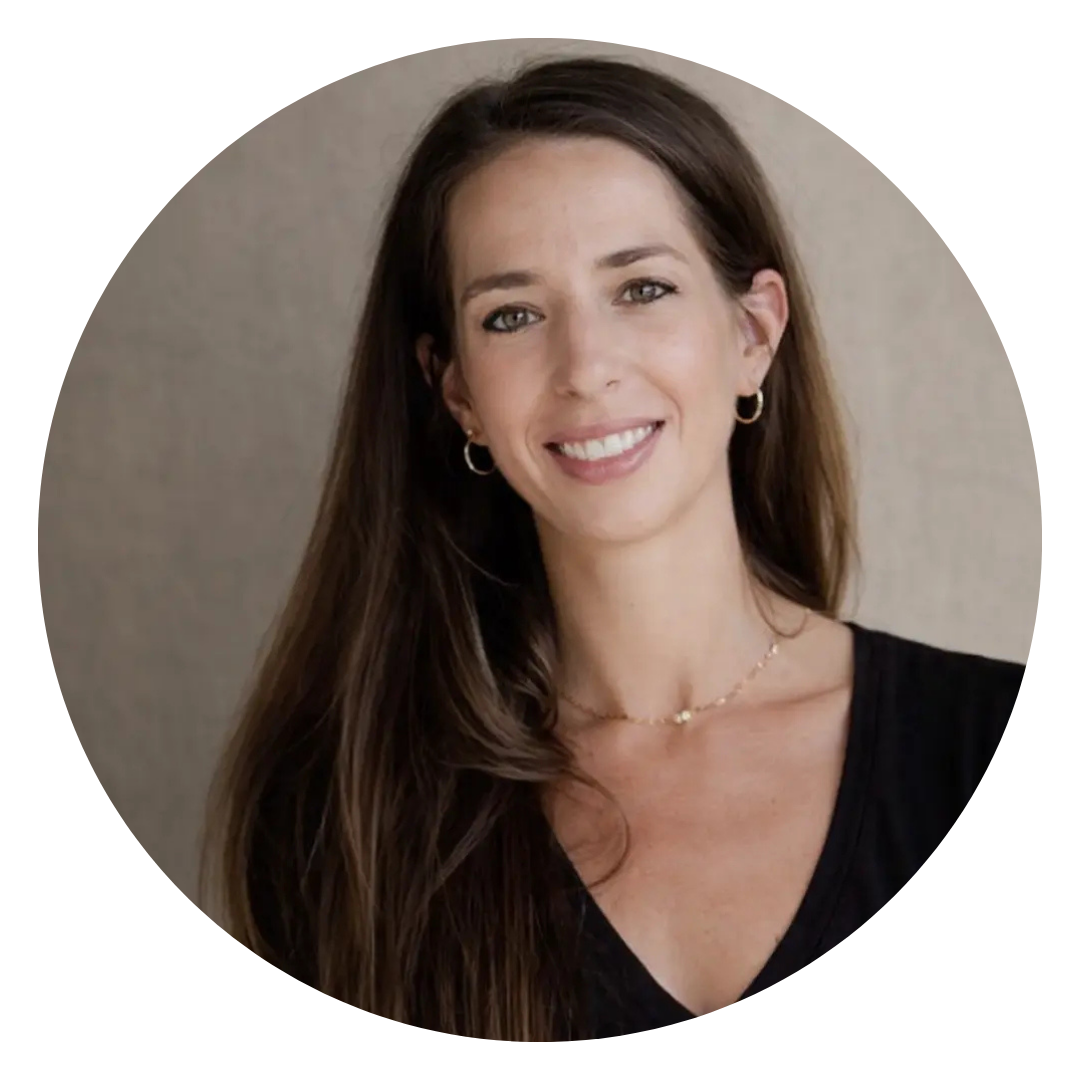 Nicole Spangenberg is the founder and formulator behind TSORI, a waterless skincare line built around the concept of overstimulated skin.
Drawing on years of experience supporting her daughter’s eczema-prone skin, Nicole developed a formulation philosophy centred on reducing total ingredient input — creating multi-functional, oil-based products designed to replace steps rather than add them, and to eliminate ingredient overlap across a routine.
TSORI currently sells four products online and has been trading for just over a year.
Find out more about TSORI:
- Website: tsorico.com
- Instagram: TSORI
Related episodes:
- Episode 61: What skinimalism means — the original conversation from when the term first hit the beauty industry
- Episode 301: I spoke to an active ingredient scientist… and it changed how I see skincare
Thank you for joining us for this episode of the Formula Botanica Green Beauty Conversations podcast. If you enjoyed listening, please share, subscribe and review this episode on Apple Podcasts, Spotify or Youtube so that more people can enjoy the show. Don’t forget to follow and connect with us on Facebook and Instagram.
FREE TRAINING
Learn how to become an
Organic Skincare Formulator
FREE TRAINING
How to become an
Organic Skincare Entrepreneur
FREE TRAINING
How to become an
Organic Skincare Entrepreneur


Lorraine Dallmeier is a Biologist, Chartered Environmentalist and the CEO of Formula Botanica, the award-winning online organic cosmetic science school. Read more about Lorraine and the Formula Botanica Team.