
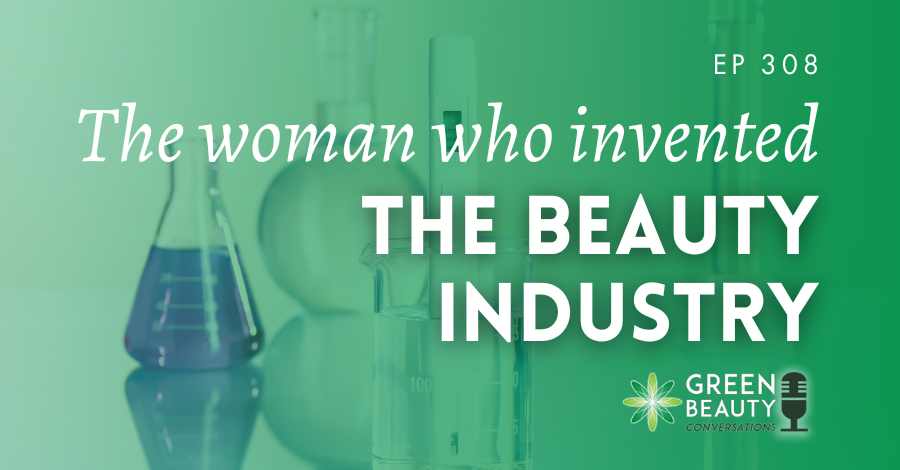
The modern beauty industry feels incredibly scientific – lab coats, clinical language, “clinically-proven” claims and glossy counters that promise transformation in a jar. But what if all of that was manufactured?
And what if it was designed by one woman whose name has faded from public memory, even though her ideas still shape how we buy, sell and think about beauty today?
In this episode of Green Beauty Conversations, Formula Botanica CEO Lorraine Dallmeier tells the astonishing story of Helena Rubinstein and why her influence is everywhere, even if most of us don’t realise it.
Before Helena Rubinstein, people made their own beauty products, with recipes being handed down through generations, just like cooking. Then Helena arrived, and the beauty industry pivoted so hard that we are still living with the aftershocks more than a century later.
From white lab coats to staged “scientific” imagery and the invention of skin typing, this episode reveals how one woman didn’t just build a business – she rewrote the rules of the entire industry.
This is a powerful story about ambition, storytelling, marketing genius, and the moment beauty stopped being something we made for ourselves and became something we were told we had to buy.
If you think you know where modern beauty comes from, this episode will make you question everything. And once you hear it, you’ll never look at the beauty industry in quite the same way again.

“Helena didn’t create ‘scientific beauty’. She created the performance of scientific beauty, and the industry scaled that performance until it became the default.” — Lorraine Dallmeier
Key takeaways:
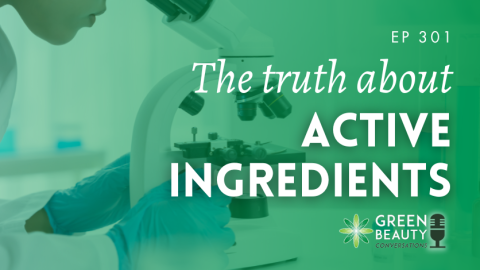
- The invention of scientific theatre: Helena Rubinstein didn’t just sell skincare – she changed how the beauty industry presents itself. By using white lab coats, staged laboratory settings and clinical-looking imagery, she created a powerful visual language of authority and trust. Her competitors copied this approach so thoroughly that it became the industry standard, and we still see it echoed today in department stores and advertising.
- Beauty before laboratories: Before Helena’s influence, skincare lived in kitchens, notebooks, and family traditions. People made their own products themselves using local ingredients and shared knowledge. Helena’s approach shifted beauty away from the domestic and into the hands of perceived experts. That single change altered not just what people bought, but how they thought about who was “allowed” to formulate.
- The creation of skin typing: The familiar categories of normal, dry, oily and combination skin were not born from rigorous dermatological science. They were Helena’s own classifications, based on observation and a sharp understanding of human psychology. By giving people a label, she gave them an identity – and each identity conveniently required different products. This drove consumption and changed customer expectations almost overnight.
- A complicated but brilliant legacy: Helena Rubinstein was fearless, ambitious and extraordinarily resourceful in a world that offered women very little authority. She carved out credibility by borrowing the symbols of science when she couldn’t access the institutions behind them. At the same time, her success helped create a long-lasting narrative that formulation belongs only to laboratories and experts. This episode challenges that idea.
- Why this still matters today: The beauty industry is still full of the visual language Helena popularised – from “clinically-proven” claims with no shared definition to molecule diagrams, pipettes and intimidating ingredient names used for effect. These are echoes of the same strategy: performance over substance. Understanding Helena’s story helps explain why modern beauty looks the way it does. It also proves that anyone can formulate.
Thank you for joining us for this episode of the Formula Botanica Green Beauty Conversations podcast. If you enjoyed listening, please share, subscribe and review this episode on Apple Podcasts, Spotify or Youtube so that more people can enjoy the show. Don’t forget to follow and connect with us on Facebook and Instagram.
FREE TRAINING
Learn how to become an
Organic Skincare Formulator
FREE TRAINING
How to become an
Organic Skincare Entrepreneur
FREE TRAINING
How to become an
Organic Skincare Entrepreneur

Lorraine Dallmeier is a Biologist, Chartered Environmentalist and the CEO of Formula Botanica, the award-winning online organic cosmetic science school. Read more about Lorraine and the Formula Botanica Team.






)