Open your kitchen cupboard. No, seriously. Open it and take a look at what’s inside. What do you see? Olive oil? Oats? Ground coffee? Tea? Cornstarch? Honey? Salt? Sugar? Rice? Maybe even some random superfood powder you bought months ago and have since completely forgotten about?
Now imagine turning those everyday staples into face masks, scrubs, toners, or body oils. How would it feel? Pretty amazing, right?
Well, you absolutely can – and it’s much easier than you think. Making your own skincare is just like cooking: easy, fun, and incredibly empowering.
In this post, we’re going to be sharing the top 6 kitchen ingredients you can use to make your own skincare at home, with simple, practical examples.
By the end of it, you’ll see your kitchen in a whole new light!
Top 6 kitchen ingredients you can use in your DIY skincare products
Here are the top 6 kitchen ingredients you can use to make your own skincare products at home. These aren’t just good for cooking – they’re also great for your skin and hair.
In fact, many of the ingredients below are also used in professional cosmetic products. The only difference is that professional products use cosmetic-grade ingredients, which are a grade of ingredient that meet the safety, purity and regulatory standards for cosmetics (more on that later).
But before we get into the distinction between DIY and professional-grade skincare, let’s have a look at the 6 kitchen ingredients you can use to make your own luxurious face masks, scrubs, toners, mists, facial and body oils, massage bars, and whipped body butters at home.
1. Vegetable & seed oils
Let’s start with one of the most versatile ingredients you can find in your kitchen: vegetable oils. Think olive, sunflower, sesame, or coconut. You might even have speciality oils lying around, like avocado, grapeseed, rice bran, flaxseed, or walnut.
These oils are so much more than cooking staples – they’re the foundation of most DIY and professional skincare products.
You can use these to create facial oils, body oils, hair oils, or even massage oils. You could even combine your cooking oils with butters like shea or cocoa to create your own lip balms, whipped body butters, or lotion bars.
Try it yourself:
Create a simple multipurpose oil for your face, body, and hair by mixing two oils of your choice (for example, olive and sesame oil), then add a few drops of rosemary essential oil, and package your final mixture into a nice bottle.
We also have plenty of beginner-friendly oil-inspired recipes for you to explore on our blog, including a TikTok-inspired rosemary scalp and hair oil.
Pro tip: If possible, choose unrefined cosmetic-grade oils instead of regular cooking oils, as they tend to have more beneficial properties for your skin and hair. Food-grade oils are processed to make them safe and stable for eating – which is important for consumption – but this can reduce some of the plant’s naturally occurring beneficial properties. Cosmetic-grade oils are made for topical use (meaning they’re intended to be used on the skin, scalp, and hair), so they’re often less refined and closer to their natural state, and you can find them online at a similar price.
2. Dry kitchen goods
You also probably have some dry food lying around, like sugar, salt, oats, coffee, and nuts. These make great exfoliating ingredients for your DIY skincare products.
You could use sugars like rapadura, coconut, or muscovado; salts such as sea or Himalayan; oats; small seeds or meals like almond meal or walnut shell powder; and even coffee grounds to make your own face or body scrubs, or even gentle exfoliating masks. Just mix your dry ingredients with a bit of oil for an impromptu spa-style scrub.
You could also mix a couple of bath salts with dried rose petals to create your own fragrant bath salts!
Try it yourself:
Mix a teaspoon of sugar or salt with a bit of your favourite oil (see section 1) for a luxurious scrub. You could use sea salt and avocado oil, for example. To use, rub the mixture gently onto your skin, rinse off, and enjoy soft, nourished skin within minutes.
Pro tip: Pay attention to particle size when making scrubs. Finer, soft powders are best for the face, while coarser, grainier textures work better for the body. Using the right particle size helps prevent irritation or even tiny micro-tears, keeping your skin healthy and happy.
3. Honey
Honey is another great kitchen ingredient to use in your homemade skincare products.
It’s also often used in professional skincare products, as it’s a great humectant, meaning it helps attract and lock in moisture, helping keep the skin hydrated and soft.
Try it yourself:
Mix a teaspoon of honey with a little melted coconut oil for a quick, nourishing hair mask. Massage it in for a few minutes, rinse, and enjoy soft, shiny hair.
You could even add honey to your homemade scrubs or face masks (see section 2) for an extra boost. Curious for more? Then try this easy hair mask recipe.
Pro tip: Start with your regular kitchen honey for DIY masks and scrubs. If you want to step it up, you could also use cosmetic-grade honey, which often comes in the form of a powder and has been processed to remain stable, safe, and consistent throughout its shelf life, making it easier to work with than raw honey while still retaining its beneficial properties.
4. Fresh food & herbs
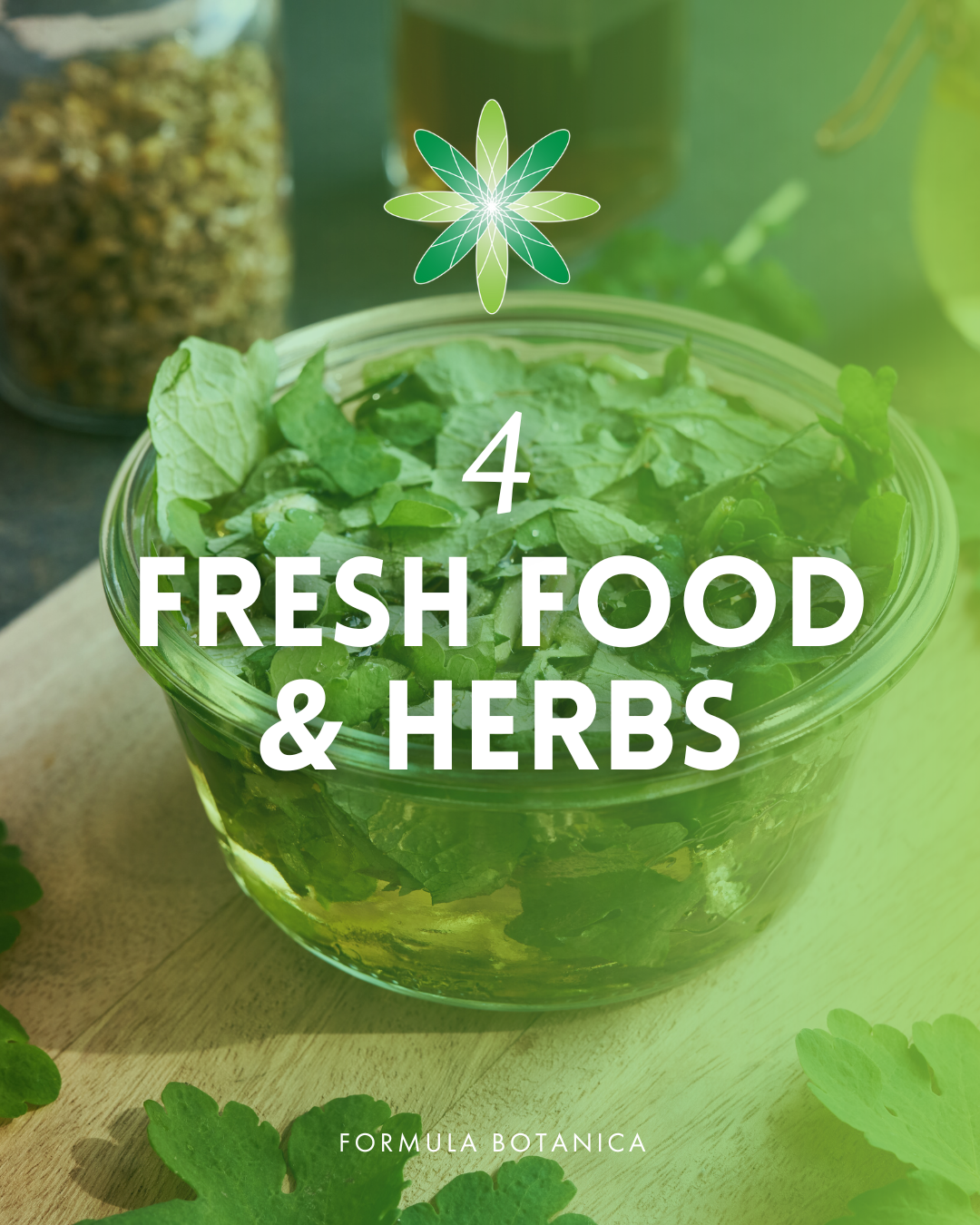
Did you know you could also use fresh food and dried herbs in your homemade skincare products?
You can use fresh ingredients from your fridge or pantry, like cucumbers, berries, lemons, or oranges, and soak them in glycerine to create glycerites – potent botanical extracts used in both DIY and professional skincare.
These powerful plant-based extracts retain the plant’s original beneficial properties and can also add natural colour and scent to your products. Why not try making it yourself and add some of the mixture to your masks or scrubs? Here is a helpful guide to get you started:
The formulator’s ultimate guide to glycerites (what they are & how to use them)
You could also fresh herbs or flowers from your garden, like rosemary, thyme, verbena, lavender, chamomile, or rose, and soak them in oil for a few weeks. Just make sure you dry them first, as otherwise this could attract unwanted microbial contamination.
This soaking process is called maceration and is also used by professional formulators worldwide to create potent oil-based botanical extracts.
You can use these directly on your face, body, or hair, or add them to your facial, body, hair, or massage oils for extra benefits. The posts below teach you how to make your own macerated oils, step-by-step:
You could also take the same dried herbs and make tea-style infusions by pouring hot water over them. These infusions can be added to face masks, toners, sprays, or hair rinses, as long as you use them immediately.
Try it yourself:
Pick one kitchen or garden ingredient you have on hand – maybe cucumber or rosemary. Make a simple glycerite by soaking small pieces of cucumber in glycerine for a few days, or create a quick macerated oil by soaking dried rosemary in sunflower oil for a few days.
Add your glycerite or macerate to a face mask, scrub, or body oil and see how it transforms your product.
Pro tip: Fresh ingredients are amazing in skincare products, but they spoil quickly. Use homemade infusions, macerations or glycerites within a short time for best results. If you want to keep them for longer, you’ll need to add a preservative. Curious why? Then read this post.
5. Floral waters
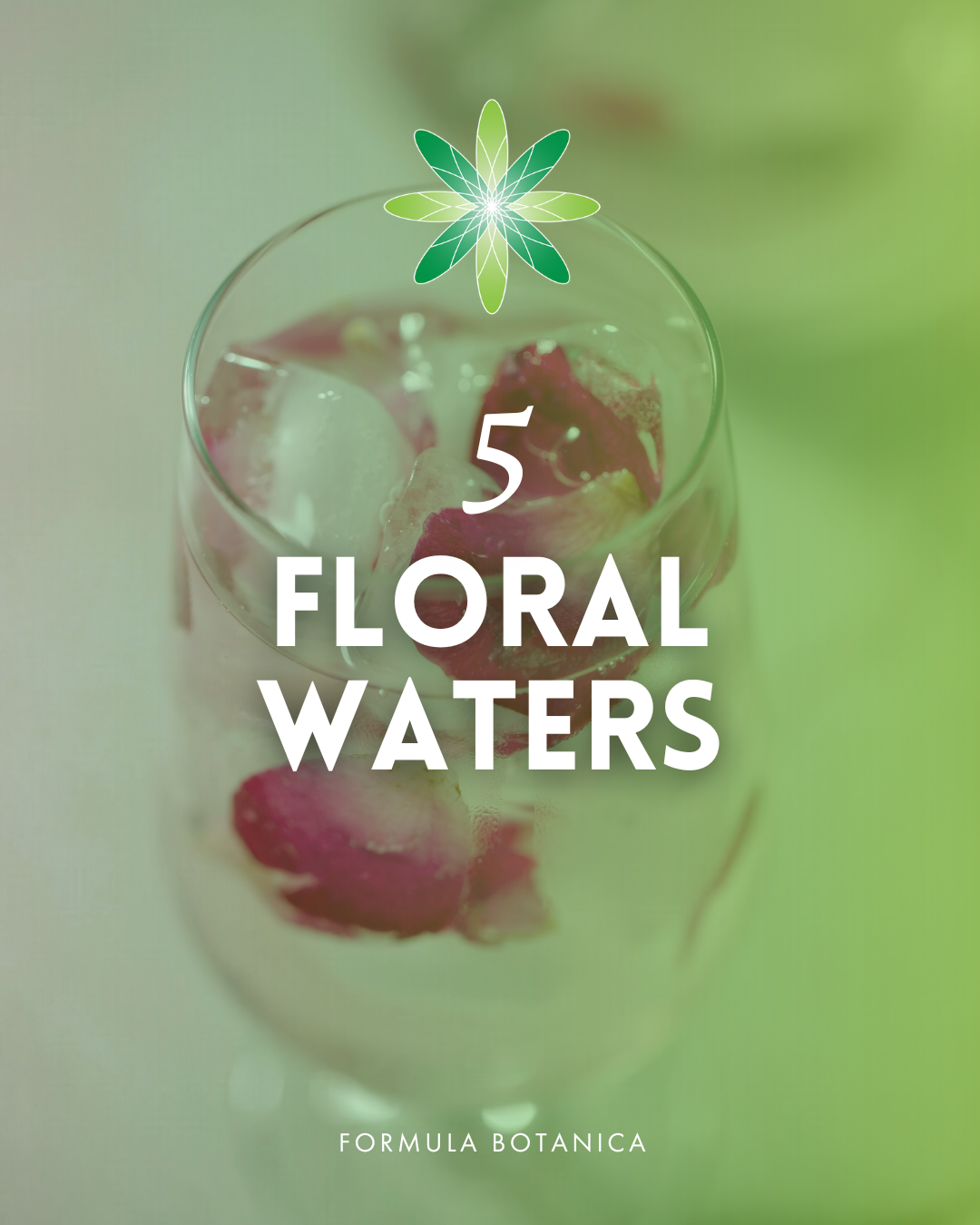
You might also have some floral waters tucked away in your kitchen for baking, like rose water or orange blossom (neroli) water.
These aromatic waters, called hydrosols in professional skincare formulation, aren’t just fragrant – they’re packed with soothing, toning, and refreshing properties that can give your homemade skincare a real boost (and a gorgeous natural scent).
You can either use these straight from the bottle as a face mist or toner or even hair rinse, or mix two or three together, like rose and lavender and pour them into a spray bottle for a refreshing, aromatic, natural mist for your face, body, and hair.
You could even use floral waters instead of plain water when mixing powder masks or scrubs to give your DIY products an extra boost.
Important note: The floral waters you can find in supermarkets for baking – especially rosewater – are often labelled as floral waters, but you should always read the ingredient label carefully as there can be a significant amount of alcohol used in them, which could irritate your skin. If possible, use cosmetic-grade hydrosols instead.
Try it yourself:
Grab a small spray bottle and pour in your favourite floral water, or mix two together – maybe rose and orange blossom – to create a personalised face mist.
To use, spritz a couple of pumps over your face after cleansing, or use as a light hair or body mist for a natural, refreshing fragrance.
Pro tip: Floral waters are delicate and can spoil if not stored carefully. To get the most out of them, check the expiry date, store them in the fridge once opened, and look for preserved cosmetic-grade hydrosols if you plan to use them over a longer period. This keeps your homemade skincare safe, fresh, and potent.
6. Powders
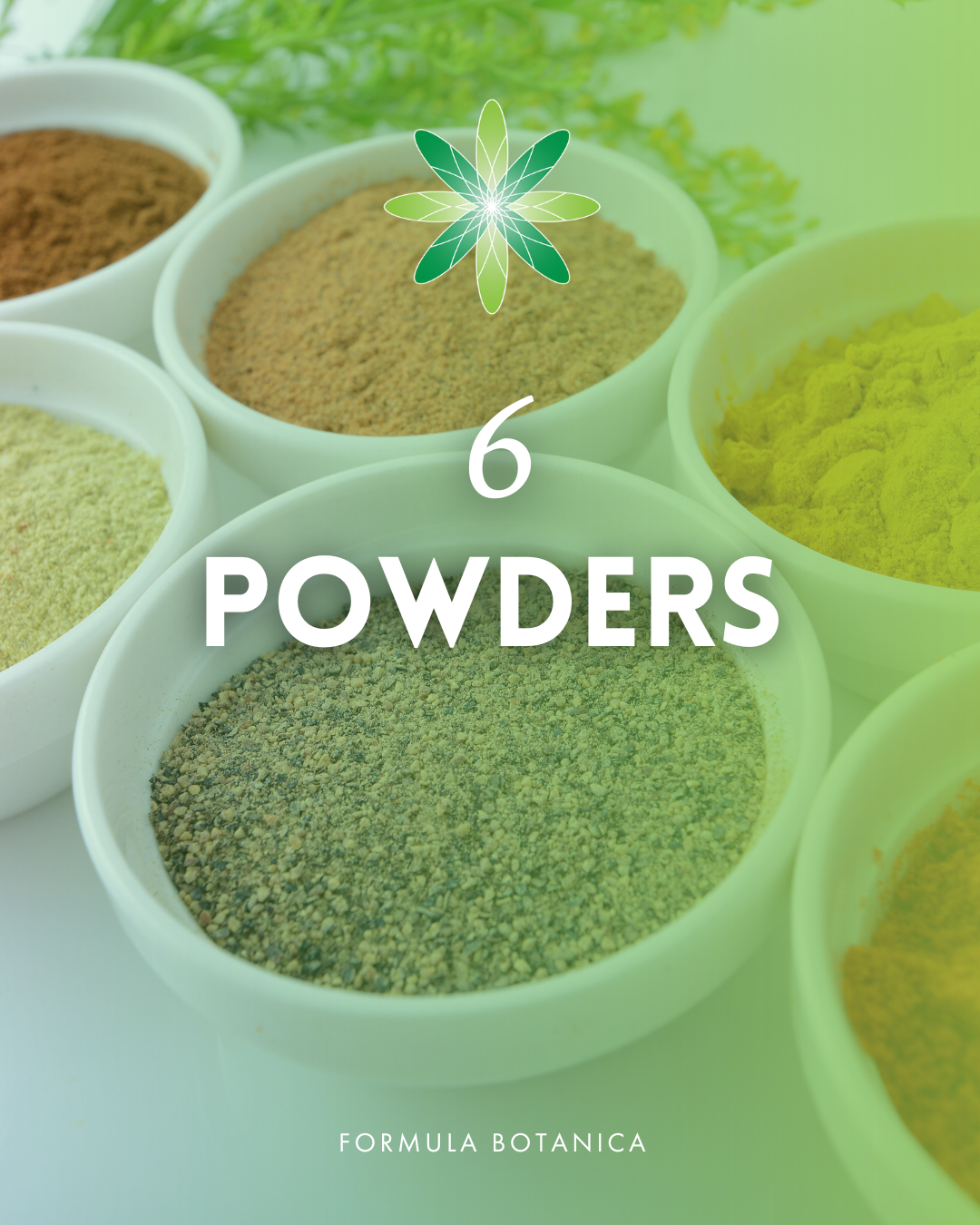
And finally, you probably have some powders tucked away in your cupboard.
This could be superfood powders like spirulina, bamboo, baobab, açaí, matcha, beetroot, kelp, or seaweed, which you can use to create face cleansing powders, masks, or bath soaks (not just smoothies!).
You might even have xanthan gum, agar agar, or citric acid lying around for baking or cocktail making, as well as staples like cornstarch or arrowroot — all of which are commonly used in professional skincare.
In fact, professional formulators often add powders like arrowroot to body butters to reduce greasiness and create a silky, soft butter.
Try mixing a few together to explore the different benefits, colours, and scents you can create. The possibilities are endless!
Try it yourself:
Mix a teaspoon of oat flour with a pinch of matcha or açaí powder and enough water (or floral water) to form a paste. Apply to your face, rinse, and enjoy a natural antioxidant face cleansing powder.
You can also leave it for longer for a DIY face mask. Just apply, wait a few minutes, then rinse it off with a floral water (see section 5).
Pro tip: If you’re feeling adventurous, you could even create your own powders by grinding the nuts, seeds, or grains from your kitchen cupboard. Finely ground almonds, oats, or rice can make beautiful custom exfoliating or cleansing powders – just make sure the texture is fine enough so it’s safe to use on the skin.
DIY vs professional-grade skincare
By now, you’re probably looking at your kitchen cupboard in a whole new light, mentally mixing your olive oil with salt or eyeing up the rose water on your baking shelf.
And that’s a wonderful, exciting feeling, and an incredible first step. In fact, most professional formulators started exactly this way, including many of our amazing graduates who now run award-winning skincare brands.
But here’s the part nobody tells you: there’s a big difference between making something for yourself on a Sunday afternoon and creating something you’d confidently hand to someone else, a friend, a family member, or eventually, perhaps a customer.
The moment you imagine that – really imagine it – the questions start to surface. How long will this last? Is it safe to use next week or next month? What happens if my friend has a reaction? Did I get the ratios right? Am I just guessing?
Those questions aren’t a sign that you’re not capable. They’re a sign that you’re thinking like a formulator. And with the right training, you can learn how to formulate products that are stable, safe, and effective – professional-grade products you truly understand and can stand behind with confidence.
At Formula Botanica, we provide that training, guiding you from DIY experimenter to professional formulator, no science background or prior knowledge needed.
Learn how to make professional-grade skincare
We hope you enjoyed this post and that it inspired you to start making your own skincare products using the ingredients you already have in your kitchen!
Hopefully, you’ve realised how easy it is to make your own products from scratch. That’s an incredibly exciting realisation.
So why not take it one step further and learn how to create professional-grade skincare products that are safe, stable, and ready to sell?
At Formula Botanica, the world’s leading online organic cosmetic formulation school, we’ve got the blueprint to help you get there.
We have taught over 22,000 students worldwide how to create high-performance skincare from scratch – often with simple ingredients like the ones mentioned in this post – and many of our graduates have since gone on to launch award-winning skincare brands. This could be you, too.
Start with our free training and discover just how easy, fun, and empowering it is to become a formulator and create products that you are truly proud of and confident to share or sell.
FAQ
- What kitchen ingredients can I use in my DIY skincare?
There are many kitchen ingredients you could use in your DIY skincare products, including oils, dry ingredients, honey, fresh foods and herbs, floral waters, and powders.
- What can I use these ingredients for?
You can use these staple kitchen ingredients to make masks, scrubs, toners, facial and body oils, and so much more. Once you start, the possibilities are endless!
- What’s the difference between food-grade and cosmetic-grade ingredients?
Food-grade ingredients are the ones you already have and use in your kitchen. They’re great for small DIY projects like homemade face masks, oils, and scrubs. Cosmetic-grade ingredients are a grade of ingredient that meet the safety, purity and regulatory standards for cosmetics.
They’re also the ingredients professional formulators use, and the same ones you’ll find in store-bought skincare products.
- Where can I learn to make professional-grade skincare?
Join over 22,000 students worldwide who have taken our award-winning formulation courses at Formula Botanica, many of whom have gone on to become certified formulators or even launch award-winning skincare brands.
Start with our free training and discover just how easy, fun, and empowering it is to create your own professional-grade natural skincare products from scratch.
FREE TRAINING
Learn how to become an
Organic Skincare Formulator
FREE TRAINING
How to become an
Organic Skincare Entrepreneur
FREE TRAINING
How to become an
Organic Skincare Entrepreneur

Ariane is Formula Botanica’s Content Creator and an active member of the student community. She has worked as a professional journalist, blogger, copywriter and editor before joining Formula Botanica full-time in 2024.